
What does learning makeup actually look like?
The Oakmont learning program covers the full range of foundational makeup techniques — from skin preparation to finishing — in a structured sequence designed for adults starting from scratch.
Coaching sessions and details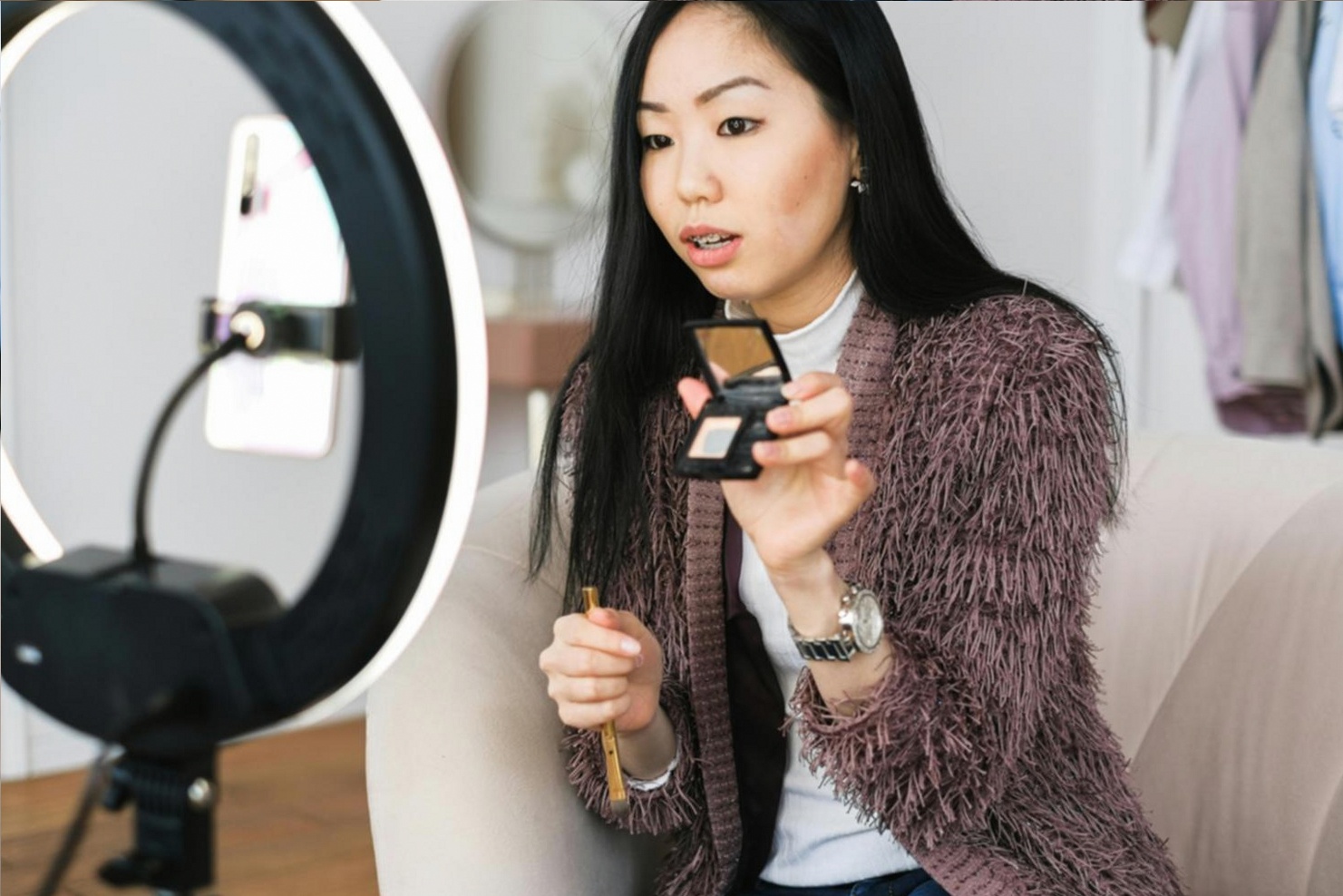
Each session builds on the previous one. Participants work at their own pace through recorded material, then bring questions to scheduled live review calls where instructors give direct, specific feedback on technique.
Program Structure
Eight modules, one clear progression
The program runs in a fixed sequence because each module assumes knowledge from the one before it. Skin prep comes before colour work. Blending fundamentals come before contouring. Participants who try to skip ahead typically find themselves revisiting earlier material anyway — the sequence exists to prevent that loop.
Sessions average 45 minutes of recorded instruction, followed by a practical task completed using materials participants already own. There is no required product list — the techniques are taught to be adaptable across brands and price points.
Skin preparation and base selection
- Understanding skin types and undertones
- Moisturiser and primer application sequence
- Choosing foundation weight for your skin
- Setting without caking — powder placement logic
Concealer and colour correction
- Identifying what colour correction actually addresses
- Undereye concealer — placement and blending direction
- Blemish coverage without texture build-up
- When concealer alone is enough
Brow shaping and definition
- Mapping brow shape to face structure
- Pencil, powder, and pomade — when each applies
- Filling sparse areas without a drawn-on effect
- Setting and finishing for longevity
Eye makeup fundamentals
- Eyeshadow blending — transition shades and placement
- Eyeliner application for different eye shapes
- Mascara technique — separation and curl
- Daytime vs. evening eye — adjusting depth
Contouring, highlight, and blush placement
These two modules are taught together because the techniques interact directly. Contour defines structure; highlight and blush restore warmth and dimension that contour removes. Participants learn to assess their own face shape and adjust placement accordingly — there is no single correct diagram, and the sessions address that directly.
- Powder vs. cream contour — texture and blending differences
- Blush placement relative to contour, not in isolation
- Highlight — position, finish type, and restraint
- Assessing the full face before finishing
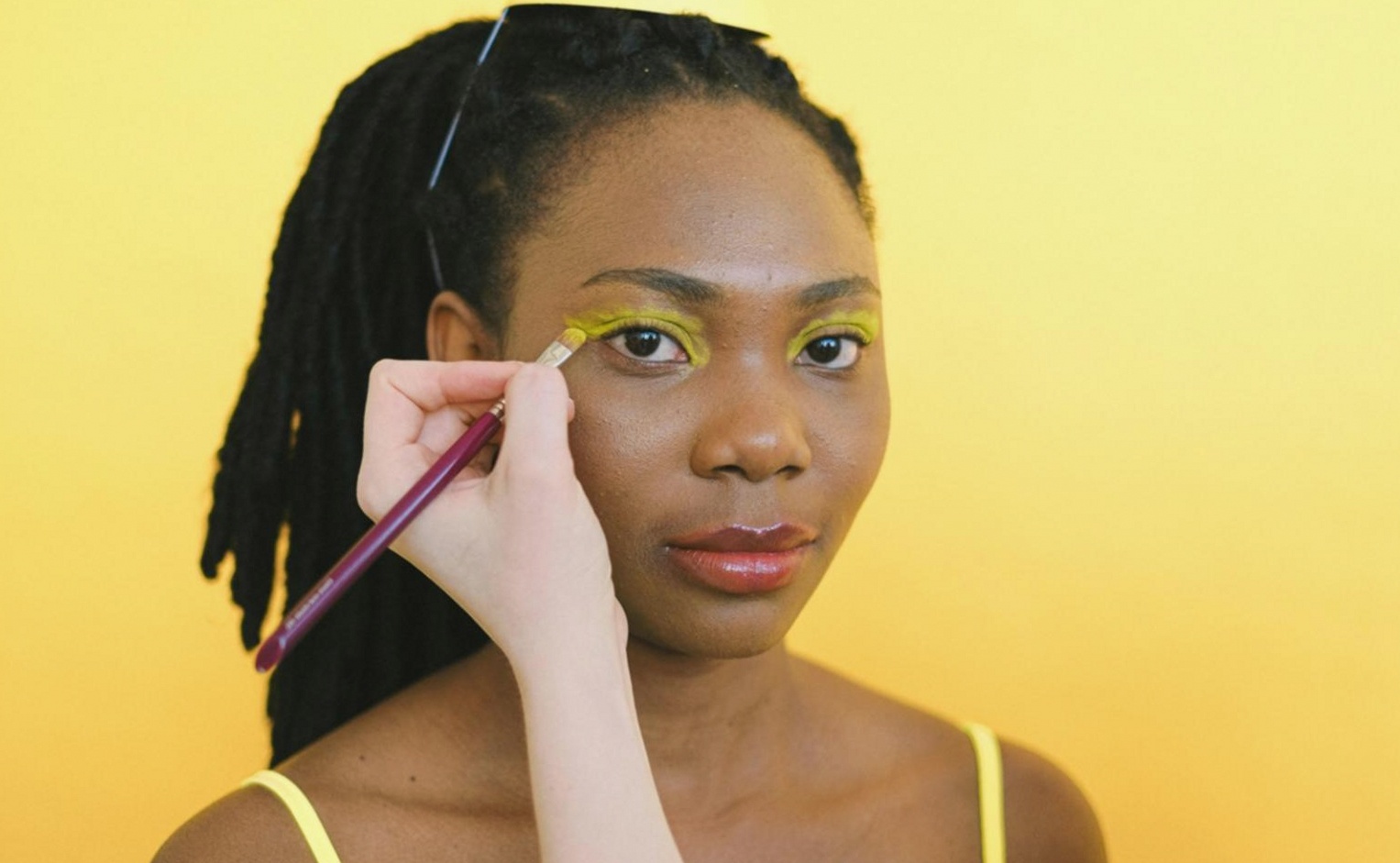
Lip colour — application and longevity
- Lip liner — purpose and correct use
- Applying lipstick cleanly without a brush
- Making colour last through a full day
- Adjusting lip colour to complete a look
Finishing, setting, and self-assessment
- Setting spray — types and application method
- Checking balance across the full face
- Common finishing errors and how to correct them
- Building a personal routine from what you've learned
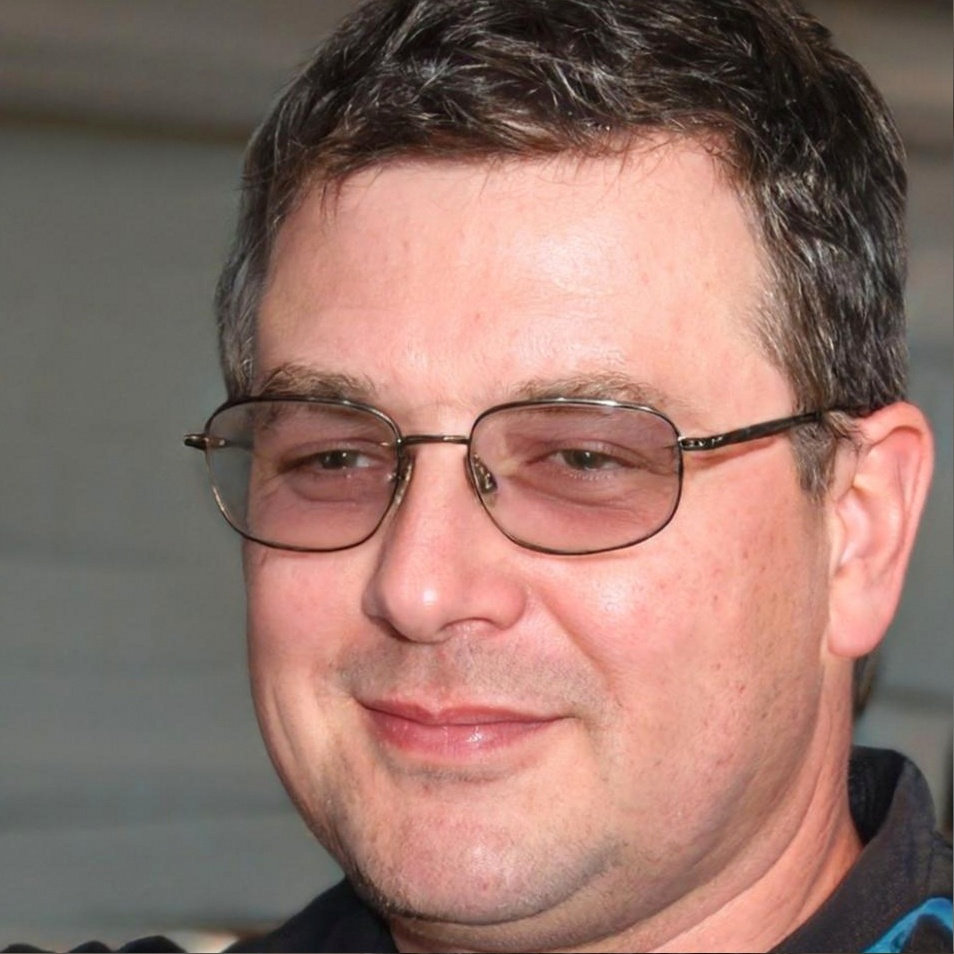
Darren Quilty
Darren has worked in professional makeup for over a decade, primarily in editorial and event contexts. He leads modules 1 through 4, with particular focus on how skin preparation affects everything that follows.

Finn Okafor
Finn's background is in colour theory and application across a wide range of skin tones. He leads modules 5 through 8 and runs the fortnightly live review sessions, where most of the specific technical feedback happens.